
People often look at the night sky and feel unsure about what they are actually seeing, especially when the Moon keeps changing shape every few days. That confusion grows when trying to match it with the moon current phase emoji, because the sky shows one thing while digital symbols often show another. It can leave you wondering about moon phase emoji meanings, lunar cycle stages, and why the Moon never really looks the same twice.
This blog helps you clearly understand how the current phase of the moon as an emoji connects with real lunar changes in the sky. You will learn how moon phases work, how to match emojis with real observations, and how tools like moon phase apps or NASA moon data make tracking easier. The aim is to make astronomy moon phases simple, practical, and easy to use in everyday conversations.
Understanding Moon Emojis: More Than Just Cute Icons🌕
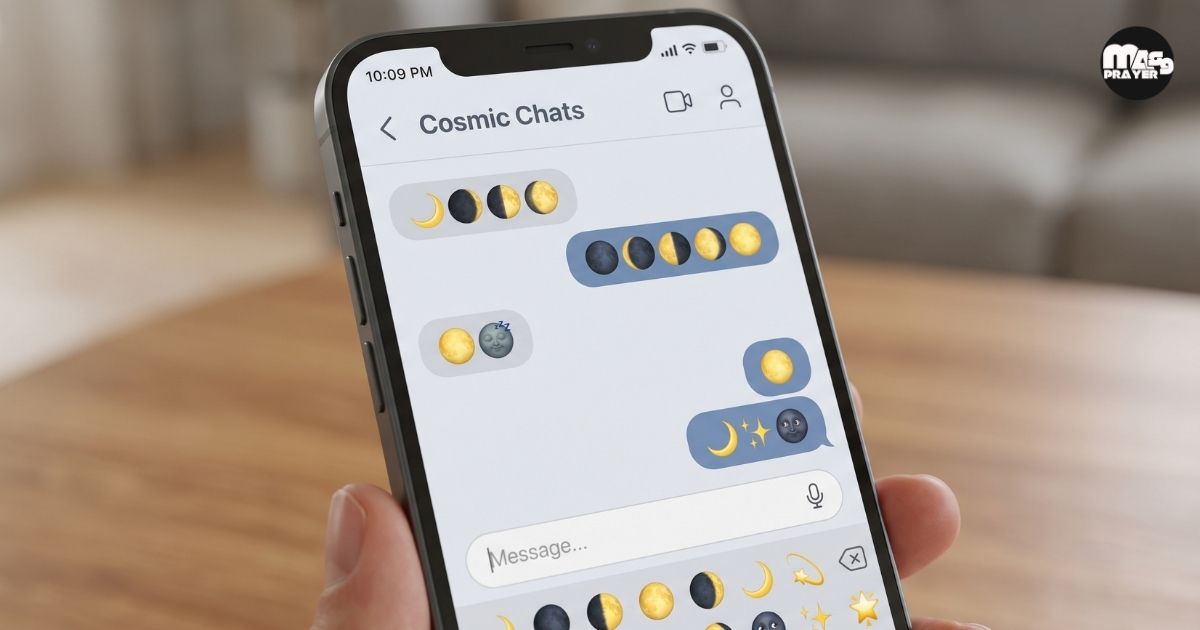
Moon emojis are simple digital symbols that represent different stages of the lunar cycle. They help people understand basic astronomy ideas in everyday communication. The moon current phase emoji often appears when users talk about night sky observation or astrology moon phases. These symbols make it easier to express concepts like new moon, full moon, and crescent shapes in messaging apps.
Each emoji reflects moon illumination changes based on how sunlight hits the Moon during its orbit. This connects digital expression with real lunar cycle stages like waxing and waning phases. People also use these symbols to share emotional meaning or curiosity about celestial bodies, making moon emojis both informative and expressive in online conversations.
Do Moon Emojis Match the Real Moon Phase?
Moon emojis do not automatically reflect the real sky because they stay fixed on all devices. The moon current phase emoji may look realistic, but it does not change with real time moon phase updates. The actual lunar cycle depends on Earth and Moon alignment, not digital symbols, which often confuses users comparing emojis with night sky observation.
To understand the real phase, people rely on astronomy apps and lunar trackers. These tools show waxing and waning moon meaning along with accurate moon illumination percentage. Without checking real data, emoji use may not match what appears in the sky. This is why learning how to identify moon phase correctly is important for clear communication and accurate moon symbolism.
Real-Time Moon Phases: How to Check the Actual Lunar Phase
Real lunar tracking tools help users match emojis with the sky more accurately. The moon current phase emoji becomes more useful when combined with NASA moon data or TimeandDate moon phase charts. These platforms provide live updates showing lunar cycle stages, moon illumination changes, and real time moon tracking details for any location.
Once you know the actual phase, selecting the correct emoji becomes simple. For example, waxing crescent or waning gibbous can be matched using moon phase charts or apps. This helps connect digital communication with astronomy basics and improves understanding of how the Moon changes through its natural cycle across the month.
Why This Matters More Than You Think
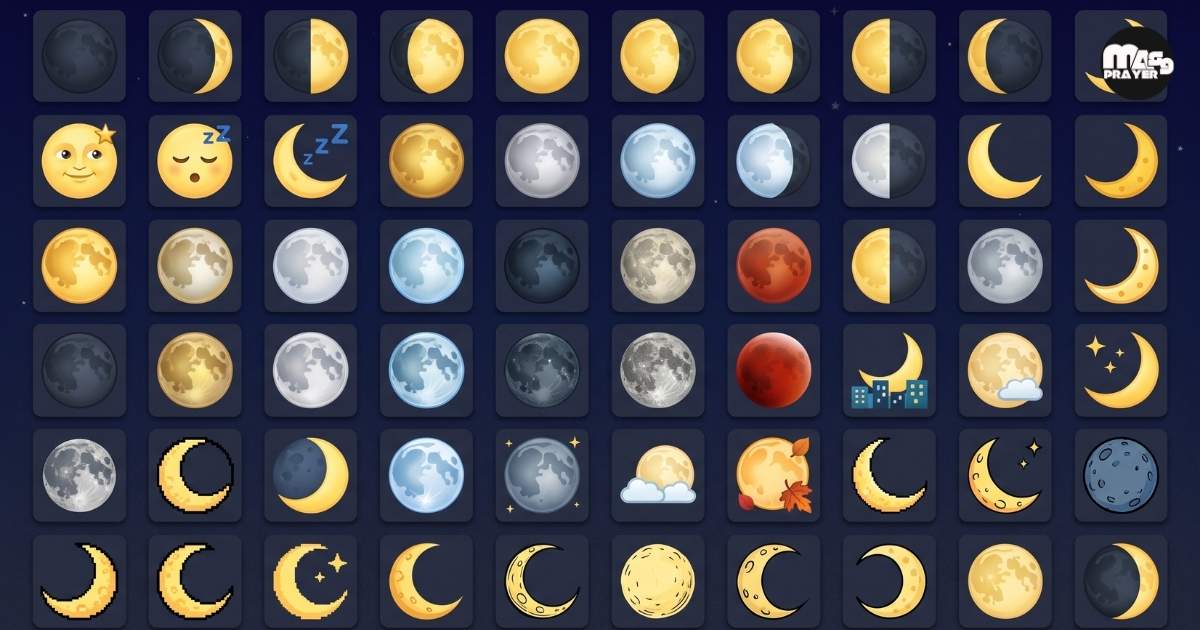
Moon emojis are more than decorative icons used in chats or social posts. The moon current phase emoji often represents emotional energy, astrology moon meanings, and natural lunar rhythms when used correctly. A new moon can symbolize fresh starts, while a full moon represents completion and clarity in both communication and symbolism.
Using the right emoji improves clarity and makes messages more meaningful. It connects digital communication with celestial bodies and lunar energy phases found in astrology moon studies. This understanding helps users express ideas more intentionally while staying aligned with natural cycles. It also adds depth to conversations about emotions, timing, and night sky awareness.
Expert Insight
Experts in astronomy explain that moon emojis represent simplified versions of real lunar cycle stages. These symbols help people understand basic moon phase explanations for beginners in a visual way. The moon current phase emojis are often discussed in relation to lunar science explanation and digital communication, especially when users try to connect emojis with real time moon tracking or night sky observation.
According to astronomy basics, the Moon changes because of Earth and Moon positions around the Sun. Scientists use NASA moon data and lunar tracker apps to study illumination changes and orbit patterns. While emojis do not update automatically, they still help users express ideas linked to celestial bodies, lunar energy phases, and emotional symbolism in everyday communication.
How to Match the Current Moon Phase to the Right Emoji
Matching emojis with the sky requires understanding how moon phases work in real life. The moon current phase emoji becomes more meaningful when users check real time moon phase data using astronomy apps or lunar calendars. These tools show waxing phase, waning phase, and moon illumination percentage so people can compare the actual sky with emoji symbols.
Once you identify the real moon phase today, you can select the correct emoji like waxing crescent moon or waning gibbous moon. This process helps improve accuracy when using a moon emoji chart or phases of the moon emoji chart. It also connects digital expression with natural lunar cycle stages and improves understanding of how the Moon changes shape throughout its orbit.
Emoji Use in Astrology
Astrology often uses moon symbols to represent emotional energy cycles and spiritual meanings. The moon current phase emoji is commonly used in astrology moon phases discussions to express intentions, reflection, or manifestation energy. People connect emojis with concepts like new moon intentions, full moon meaning, and spiritual moon cycle awareness in online posts.
Each emoji reflects a different emotional or spiritual state linked to lunar energy phases. A waxing moon can symbolize growth, while a waning moon often represents release and reflection. These meanings help users combine astrology symbolism with digital communication, making moon emojis more than visuals and turning them into expressive tools for personal and spiritual storytelling.
Moon Emojis and Platform Differences
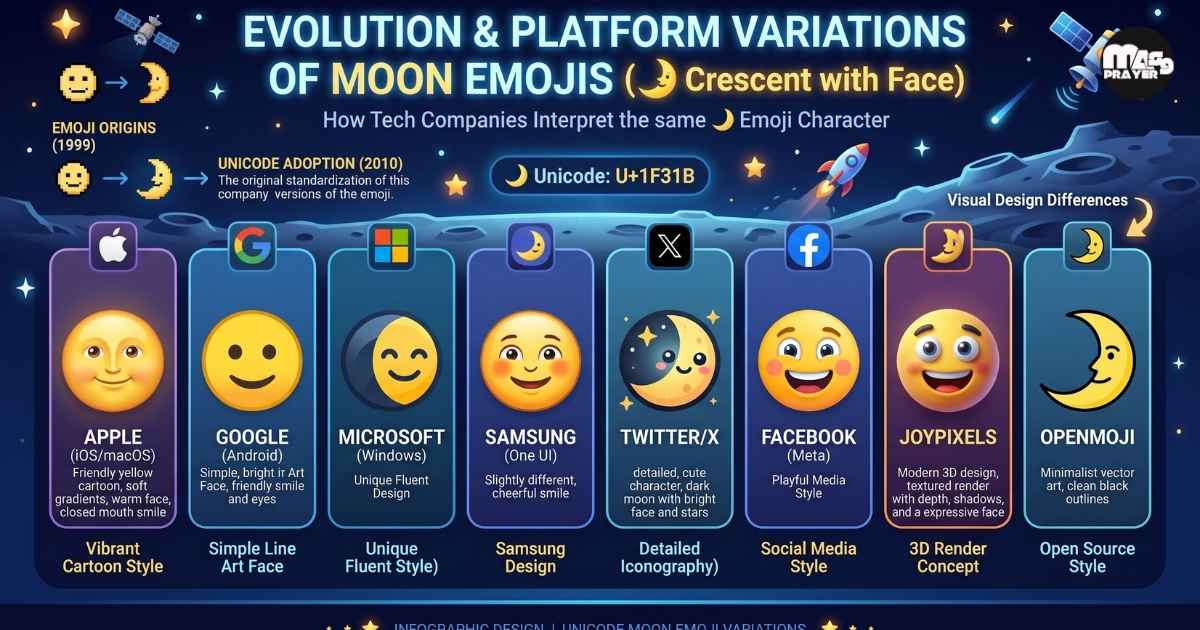
Moon emojis change in look across devices and apps, affecting how people view the lunar cycle online. The moon current phase emoji can appear slightly different depending on the platform design system.
These differences impact moon emojis, meaning in chats and social media posts. Yet Unicode moon symbols still keep the base design consistent for all users worldwide.
Web Platforms
Web platforms show emojis differently depending on browser design and site settings, affecting moon phase emoji appearance in chats. The moon current phase emoji may change slightly in shape or shading when viewed on different websites or social platforms.
Windows
Windows uses a simple emoji style focused on clarity rather than detailed visuals, making moon emojis look flat. This design still supports moon emojis meaning and keeps lunar cycle emoji interpretation easy for users.
Samsung
Samsung devices use a customized emoji style that adds more color and variation to moon symbols. This can change how users read phases of the moon emoji chart in messages or apps.
Android
Android emojis use bold and minimal designs that keep moon symbols clear and easy to recognize. Even with simple visuals, users can still understand waxing and waning moon meaning easily.
iPhone (iOS)
iPhone emojis use detailed shading and smooth gradients for a realistic moon appearance across messages. This makes the moon current phase emoji feel closer to real time moon tracking and night sky observation.
What are the phases of the moon?
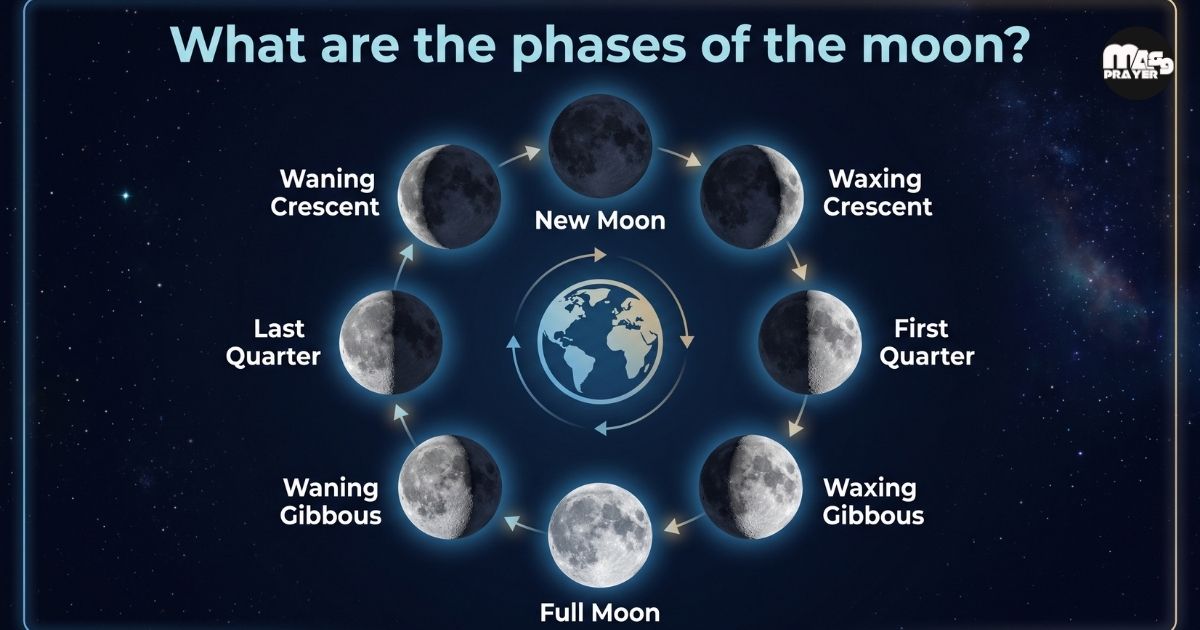
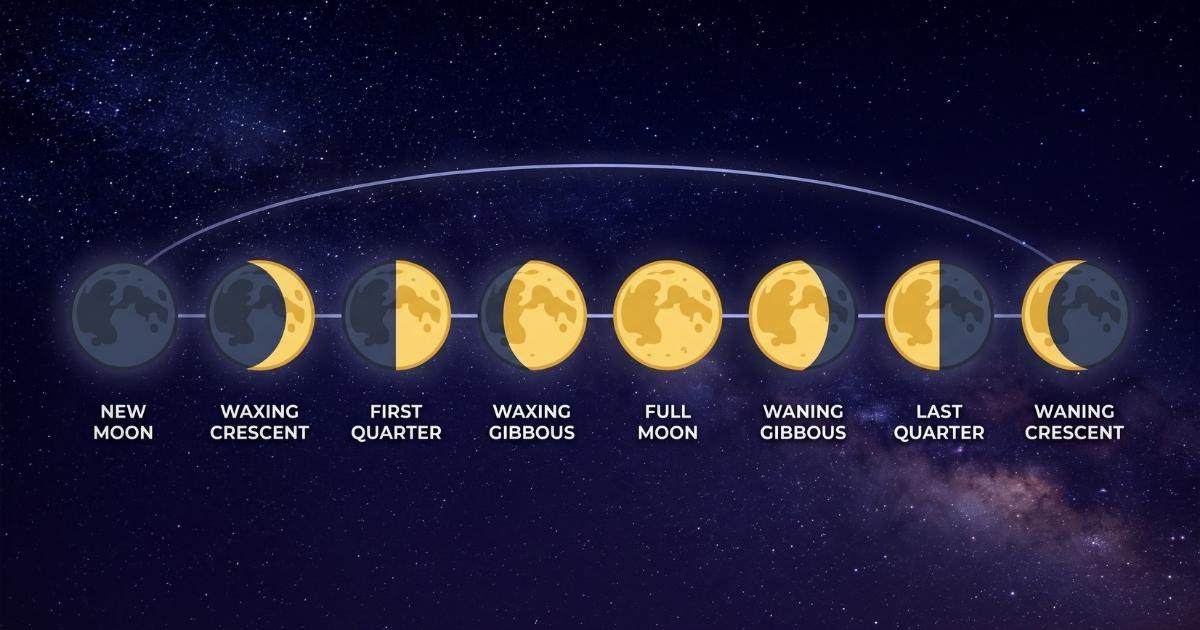
Moon phases describe the changing appearance of the Moon as it moves through its lunar cycle around Earth. The moon current phase emoji is often used online to represent these stages in a simple visual form. These phases occur because of the Sun, Earth, and Moon alignment, creating different levels of illumination seen in astronomy moon phases.
🌑 What is a new moon?
A new moon occurs when the Moon is positioned between Earth and the Sun, making it invisible from the Earth’s surface. It marks the beginning of the lunar cycle and is often linked with new moon intentions, reflection, and the start of fresh emotional or spiritual energy in astrology moon meanings. 🌑
🌒 What is a waxing crescent moon?
A waxing crescent moon appears as a thin curved sliver of light after the new moon phase. It represents the early growth of the lunar cycle as moon illumination begins to increase, showing the first visible stage of development in astronomy for beginners and lunar cycle understanding. 🌒
🌓 What is a first quarter moon?
A first quarter moon shows half of the Moon illuminated as it continues moving through its orbit. This phase helps explain how moon phases work and is often used in moon phase chart explanations because it clearly shows the balance between light and shadow in the lunar cycle. 🌓
🌔 What is a waxing gibbous moon?
A waxing gibbous moon appears more than half illuminated but not yet fully bright, showing strong growth in lunar energy phases. It represents a stage of preparation before the full moon and reflects increasing moon illumination changes as it moves closer to peak brightness. 🌔
🌕 What is a full moon?
A full moon occurs when the entire surface of the Moon facing Earth is fully illuminated by the Sun. It is the peak stage of the lunar cycle and is often associated with manifestation, emotional energy cycles, and strong symbolism in astrology moon phases. 🌕
🌖 What is a waning gibbous moon?
A waning gibbous moon appears after the full moon when the illuminated portion starts decreasing. This phase represents reflection and gradual release in the lunar cycle, helping people understand the difference between waxing and waning phases in astronomy moon observations. 🌖
🌗 What is a last quarter moon?
A last quarter moon shows half illumination again but on the opposite side compared to the first quarter. It represents balance and letting go, marking an important stage in the lunar cycle before the Moon transitions toward its final fading phase. 🌗
🌘 What is a waning crescent moon?
A waning crescent moon appears as a thin fading sliver of light before the new moon begins again. It represents rest, closure, and preparation for renewal in the lunar cycle, completing the full sequence of astronomy moon phases before the next cycle starts. 🌘
How Real-Time Moon Phases Differ from Emoji Representation
Real time moon phases show the actual lunar cycle as it changes daily in the night sky, while emojis stay fixed in design. The moon current phase emoji may look similar, but it does not update with real time moon tracking or moon illumination changes. This creates a clear gap between astronomy moon phases and digital symbols used in messaging apps.
Real moon data from NASA moon phase data or lunar tracker apps shows exact waxing and waning moon meaning. Emojis, however, only represent static visuals from a moon emoji chart. This difference is important for understanding how the Earth and Moon position affects real sky observation compared to symbolic Unicode moon symbols.
Read Also: Yellow Heart Emoji Meaning and How to Respond to It
Why Using the Right Moon Phase Emoji Matters
Using the correct emoji helps match digital communication with real lunar energy and improves clarity in messages. The current phases of the moon as an emojis can represent stages like new moon meaning or full moon meaning, but only if it matches the real sky. This makes communication more meaningful in astrology moon phases discussions and social media use.
Accurate emoji choice also helps users connect emotional energy cycles with symbolic meaning. When people match moon emojis meaning with actual lunar cycle stages, it improves understanding of moon symbolism meaning. This creates better alignment between night sky observation and digital expression across messaging platforms.
Tools to Check the Current Moon Phase Before Choosing an Emoji
Moon phase apps and lunar calendar tools help users find real time moon phase updates before selecting an emoji. These tools show moon illumination percentage, waxing phase, and waning phase clearly. Using them ensures the moon phase emoji matches the real moon instead of guessing based on appearance.
Websites like TimeandDate moon phase and NASA moon data provide accurate lunar cycle tracking. These platforms help users compare real moon phase today with emoji options like waxing crescent moon or waning gibbous moon. This improves accuracy when using a moon emoji chart for digital communication.
- moon phase app
- lunar tracker app
- NASA moon data
- TimeandDate moon phase
- real time moon tracking
- moon calendar app
- moon phase website
- live moon phase update
- astronomy apps for moon
- night sky apps
Moon Emojis and Their Connection to Astrology Symbols
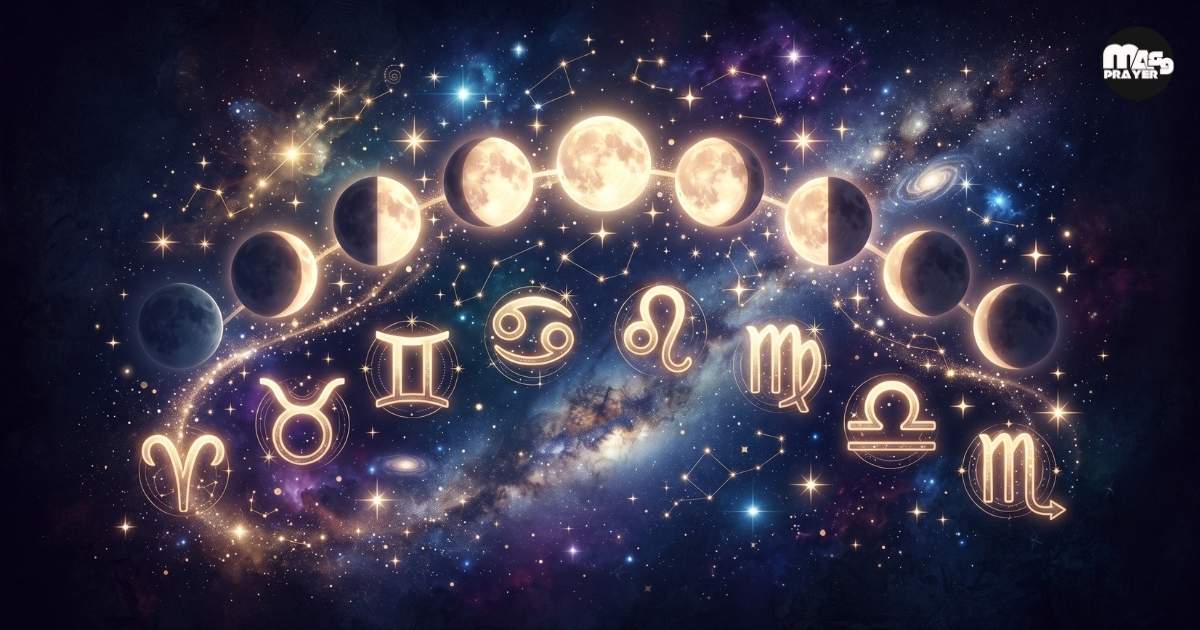
Moon emojis are often used in astrology to represent emotional energy cycles and spiritual meanings. They connect directly with astrology moon phases like new moon intentions or manifestation and full moon energy. The moon current phase emoji is commonly used to symbolize these cosmic energy meanings in digital conversations.
Each emoji reflects a stage in the lunar cycle stages, such as growth, release, or reflection. This helps users express spiritual symbolism of moon and zodiac moon influence in a simple visual form. It bridges astronomy for beginners with emotional and spiritual understanding of the night sky.
🌙 The Significance of Moon Emojis in Daily Life
Moon emojis are widely used in digital chats to represent lunar cycle stages in a simple visual form. They help users express emotions, moods, and timing based on astrology moon phases and symbolic meaning.
People often use moon emojis meaning in messages to show reflection, growth, or completion. These symbols connect digital communication with moon symbolism meaning and night sky observation in an easy way.
🌕 What is The Current Phase of The Moon as an Emoji in America
In America, people often check real time moon phase data before using emojis in conversations or social posts. The moon current phase emoji is used to represent what the sky looks like during that moment.
Many users rely on moon phase apps or NASA moon phase data to match emoji with the real moon illumination percentage. This helps align digital symbols with astronomy moon phases and accurate lunar cycle tracking.
🌑 Moon Phase Emoji Copy and Paste
Moon phase emojis can be easily copied and pasted into messages, social media posts, or notes for quick expression. They include symbols like new moon emoji meaning, full moon emoji meaning, and crescent variations.
Here are all the moon phase emojis you can copy and paste:
🌑 New Moon
🌒 Waxing Crescent Moon
🌓 First Quarter Moon
🌔 Waxing Gibbous Moon
🌕 Full Moon
🌖 Waning Gibbous Moon
🌗 Last Quarter Moon
🌘 Waning Crescent Moon
You can use these in messages, social media posts, or anywhere you want to show the lunar cycle or match the real moon phase.
Conclusion
Understanding the moon current phase emoji helps connect digital symbols with real sky changes in a simple and useful way. It becomes easier to match moon emojis meaning with real time moon phase data, moon illumination changes, and lunar cycle stages. This makes astronomy moon phases easier to follow in daily life and online conversations.
Using tools like moon phase apps or NASA moon data helps you choose the right emoji more accurately. You also better understand waxing and waning moon meaning and lunar cycle emoji patterns. It improves both your night sky awareness and how you express it through digital communication.
FAQs
Can I use the “Current Phase of the Moon Emoji” for astrology posts?
Yes, you can use moon emojis in astrology posts to reflect lunar energy phases and spiritual symbolism. They are often used for moon rituals, manifestation and full moon topics, and astrology moon phases content online.
Which emoji should I use for tonight’s moon phase?
Check a moon phase app or NASA moon data first, then match it with the visible lunar cycle stage. This helps align your emoji with real time moon phase and accurate moon illumination changes.
Why do different phones show the “Current Phase of the Moon Emoji” differently?
The moon current phase emoji looks different because platforms like iPhone, Android, and web use unique Unicode emoji designs. This affects emoji consistency across devices and changes how lunar cycle emoji appear visually.
How can I find the real “Current Phase of the Moon Emoji”?
Use tools like lunar tracker apps or TimeandDate moon phase to check the real sky first. Then match it with a moon emoji chart for correct symbolic emoji meanings.
Does the “Current Phase of the Moon Emoji” change automatically?
No, it stays static and does not update with real time moon tracking. It only represents a fixed moon phase emoji design, not live astronomy moon phases.
What does the “Current Phase of the Moon Emoji” mean?
It represents different stages of the lunar cycle like new moon meaning or full moon emoji meaning in a simple visual form. It helps users express moon symbolism meaning in digital communication.

With over 5 years of experience in content writing and web design, I create engaging, SEO-optimized articles and stunning websites. I’ve also contributed content to various reputable websites, helping them grow their audience through quality and creativity.